
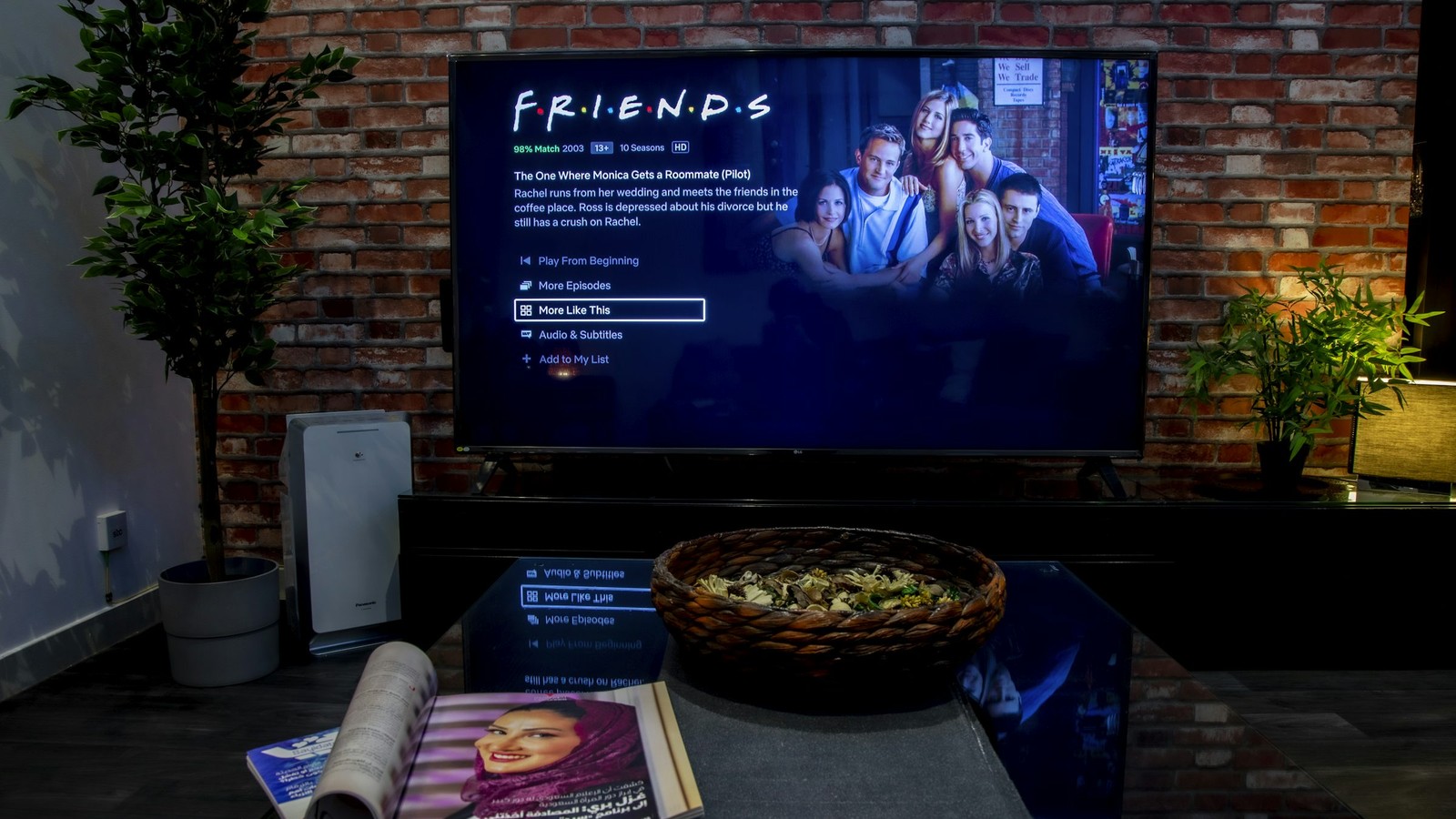
Multi-screen viewing is most effective when it solves a real task, such as following several matches, monitoring news feeds, or keeping an eye on a backup channel during a live event. Without planning, it can also overload both the device and the viewer.
Navegacion rapida
Explora los temas clave de BleuPlayer
Usa estos enlaces internos para moverte entre las paginas principales de BleuPlayer Pro, IPTV Player, M3U Player y Smart TV.
Use the feature for focused scenarios
The best multi-screen sessions are purpose-driven. Sports weekends, breaking news, and market monitoring are classic examples where seeing several feeds at once creates real value.
If the content does not need parallel attention, a single higher-quality stream is usually the better choice. More panes do not automatically create a better experience.
Pro tip: multi-screen works best when each pane has a reason to exist, not simply because the feature is available.
Respect hardware and network limits
Multi-screen load is additive. Each pane consumes decode resources, memory, and network capacity, so a device that handles one premium stream easily may struggle with three or four at the same time.
Leave room for other household traffic and avoid testing multi-view only under ideal conditions that never occur during actual use.
Choose layouts that match attention span
Two large panes are often more usable than four tiny ones. Think about what the remote can control quickly and whether the viewer can actually follow audio, action, and overlays at the same time.
If one feed matters more than the others, make that pane the visual priority while secondary feeds stay supportive.

If one pane stutters, the problem may be cumulative load rather than a bad single stream.
Troubleshoot overload before blaming the source
When multi-screen playback drops frames or buffers, compare the same streams individually. If each stream plays well alone, the issue is probably aggregate device or network pressure rather than bad channel quality.
Keep multi-screen purposeful and the experience feels premium instead of overloaded.